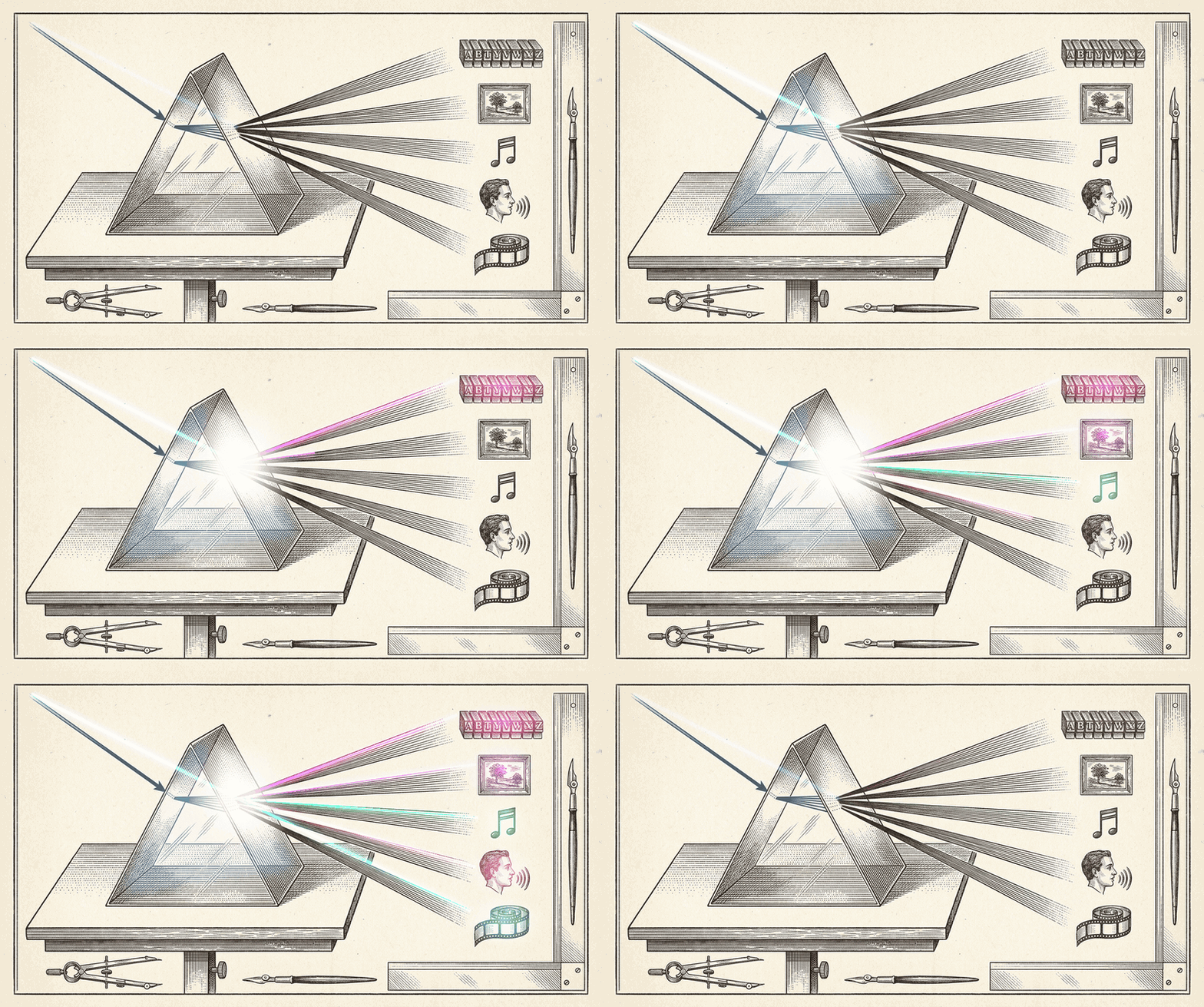

Make in every medium
Generate text, images, music, voice, and video by calling Google's real generative models — Gemini, Lyria, Veo — and end every lesson with a file you keep: a text, a PNG, a song, a narration, a clip.

Direct it — no programming needed
Each lesson hands you a working Python notebook, ready to run. You don't write it and you don't need a programming background — you learn to direct it: describe what you want, judge what comes back, and adjust until the piece is yours. The craft you build is judgment, not syntax.

Orchestrate, and see the stakes
The capstones fuse all five media into one pipeline: a director model plans, five engines make, ffmpeg stitches. Then the privacy capstone runs that same pipeline twice — a message for everyone, and a message aimed at one profiled person — so you see microtargeting from the inside.
About this course
Seven lessons across the five media AI can generate — text, image, music, voice, video — and the two capstones that fuse them. Each lesson opens in AI Studio so the idea is legible, then hands you a working Colab notebook in Python that calls the model directly and saves a real file to your machine. By the final lessons you're running a full pipeline: type one topic, a director model writes the plan, each engine makes its piece, and ffmpeg assembles a finished, narrated, scored video. Change the topic — the script, the image, the music, the voice, even the filenames re-aim. Everything runs on Google's free tier — Colab, AI Studio, and the generative models. No credit card; an anonymous account works if you prefer privacy; a US .edu address unlocks the advanced tier free; and when you're ready to scale, the same code is one step from the paid tier. Nothing you build here is throwaway. Crear stands on Entender's understanding of the machine, and Motor deepens it — the same engines, opened one level down. No programming background required: bring taste and curiosity, and leave with a media pipeline you own and can re-aim at will — plus clear eyes about what it means that anyone else can, too.
Meet the Creator
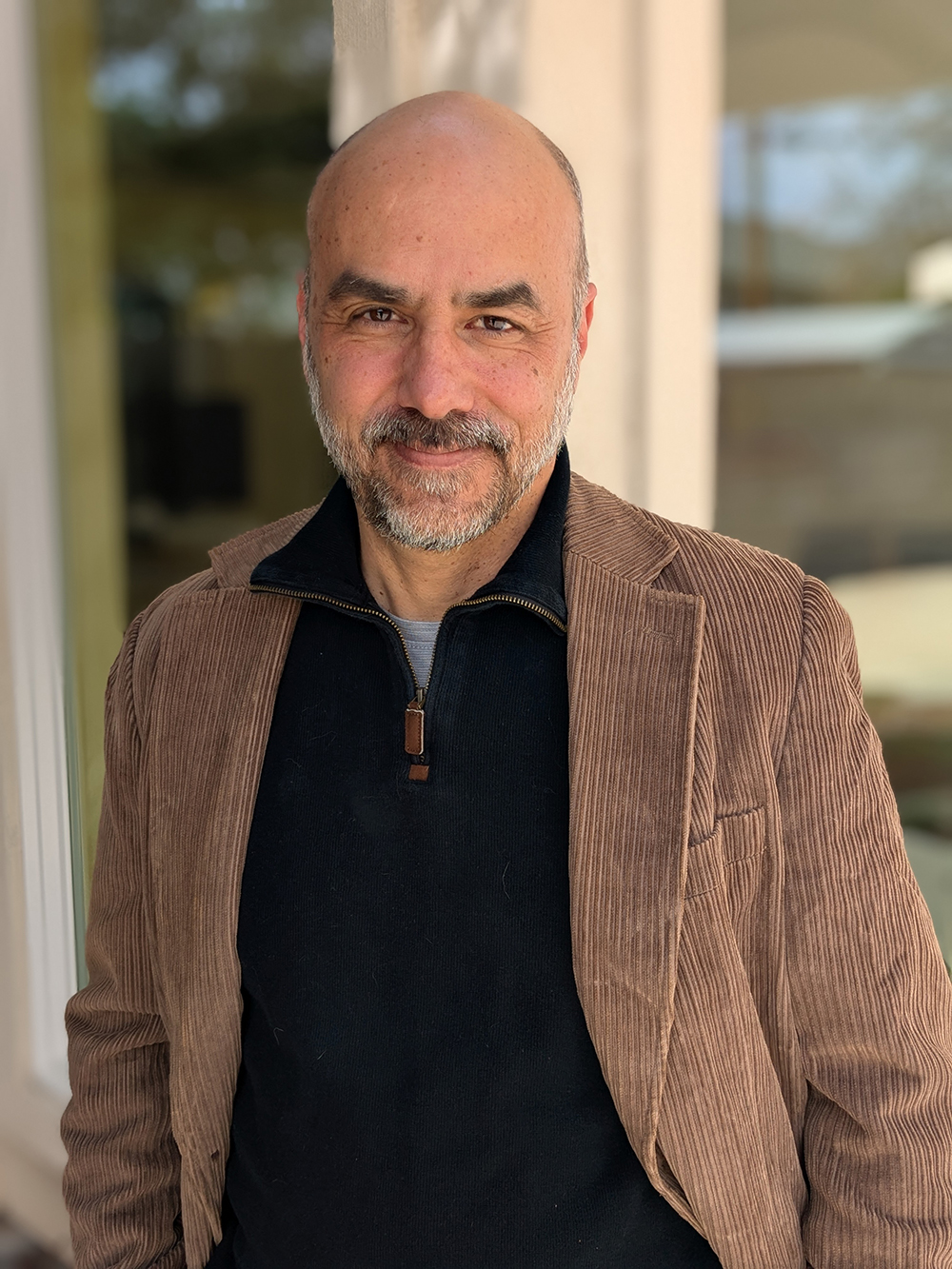
Dr. Diego Bonilla is a Full Professor of Communication Studies at Sacramento State and teaches graduate courses at UNAM in Mexico City. In 2026, the CSU Chancellor's Office invited him to speak with media as a faculty expert for the release of its systemwide AI survey. His work on digital literacy precedes the current AI moment by two decades. In 2007 he served on the ETS panel that set the passing standards for iSkills, the national assessment of information and technology literacy, and on the California leadership roundtable whose policy framework preceded the state's 2009 executive order on digital literacy. TertulIA grew out of the faculty learning community on AI literacy he directed at Sacramento State, where these lessons were first taught to professors. Every lesson is his own — designed from his teaching and his research, and offered in both English and Spanish. He also maintains ainews.social, a weekly review of AI developments read through communication theory; his broader work in film, electronic literature, and research is collected at hypergraphia.com.
Curriculum
-
1
-
(Included in full purchase)
Before you start
-
(Included in full purchase)
Path of Text
-
(Included in full purchase)
Path of Image
-
(Included in full purchase)
Path of Music
-
(Included in full purchase)
Path of Audio
-
(Included in full purchase)
Path of Video
-
(Included in full purchase)
-
2
-
(Included in full purchase)
The Orchestrator
-
(Included in full purchase)
-
3
-
(Included in full purchase)
Imagine a World Where Your Privacy Is Protected
-
(Included in full purchase)
Ready to make things you keep?
Seal the deal with a bit more content that supports the main call to action.
$10.00 / month